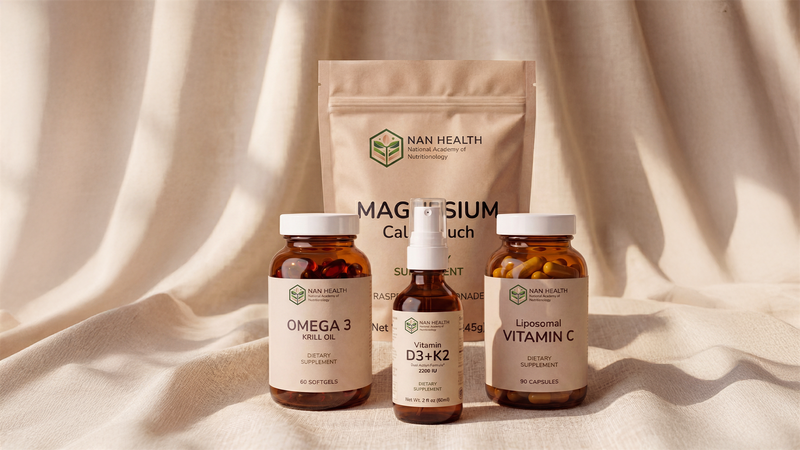
Ultra-Pure Antarctic Krill Oil · 60 Softgels
Сердце, мозг, восстановление. Омега-3 поддерживает сердечно-сосудистую функцию, когнитивное здоровье и здоровый воспалительный ответ.* Криль вместо рыбьего жира — фосфолипидная форма, без рыбной отрыжки. 1000 мг масла криля + EPA, DHA и натуральный астаксантин в softgel (60 порций).Аллерген: содержит ракообразных · softgel-капсула содержит желатин
Standard fish oil delivers omega-3s in triglyceride form — your body has to convert them before use. Krill oil omega-3s are already bound to phospholipids, the same molecular structure as your cell membranes, so they are absorbed intact and go straight to work.
Each softgel contains 1000 mg of krill oil with 40 mg EPA and 20 mg DHA in phospholipid form, plus 300 mcg of natural astaxanthin — one of the strongest antioxidants in nature, protecting the omega-3s both inside the capsule and inside your body.
No fillers. No proprietary blends. 100% Antarctic krill, wild-caught and sustainably sourced.
NAN Health maintains an exemplary record of compliance with standards set by the FDA for dietary supplement manufacturing.
Our manufacturing is certified by NSF, the "gold standard" for quality in dietary supplements worldwide.
NAN Health products meet TGA standards - one of the toughest regulatory agencies in the world for supplement quality.
GRMA recognizes companies that go beyond the minimum requirements for good manufacturing practices.
Take 1–2 softgels daily with a meal that contains fat for best absorption. Consistent daily use delivers the best results.
Took fish oil for years and hated the aftertaste all day. Switched to this krill oil - zero burps, and my skin looks more hydrated after about a month. Joints less creaky too, which matters more now that I'm 42 and still doing yoga.
Subtle but real change - my hair stopped shedding like crazy after about six weeks on these. Skin on my arms used to get flaky in winter, now it doesn't. Not a miracle, but you notice when you're not fighting it anymore.
Started hot yoga at 39 and my knees were creaking within a month. Added krill oil and the difference showed up around week four. I can do deep lunges without feeling like my kneecaps are grinding. Staying on this.
Hit the wall with focus at work - four hour meeting used to fry me. Started omega-3 and within two months I could sit through a full day without turning to mush. Not caffeine-level alert, more like my brain just has stamina again.
Was dealing with low-grade mood dips every few weeks - not depression, just flat days. Read about omega-3 and mood and tried it. Three months later I'd describe my baseline as noticeably more stable. Small, cumulative, real.
My last blood panel had slightly elevated triglycerides and my doc told me to try omega-3 before meds. Six months of krill oil, retested - back in range. Doctor was pleasantly surprised.
Paid attention to the astaxanthin in this formula - it's a real antioxidant, not just fish oil in a softgel. Six weeks in my skin feels different. Subtle, but my husband noticed, which says something.
Was taking three big fish oil pills daily. These krill softgels are smaller and I only need two. Same results, maybe better - because krill is in phospholipid form it absorbs better. Less quantity, more quality.
Screen work plus turning 45 = dry, gritty eyes by afternoon. Doctor mentioned omega-3 might help. Two months on krill and I've genuinely stopped reaching for eye drops every two hours. Unexpected but welcome.
Family history of heart issues, my doctor has me on a prevention regimen. Omega-3 is part of it and she specifically recommended krill because of better absorption. Two years in, lipid numbers look great.
С 2017 года Татьяна развивает международную практику, объединяющую образование, прикладную нутрициологию и научную деятельность. Её программы прошли более 30 000 студентов по всему миру. Авторская методика получила международную правовую защиту и зарегистрирована в 167 странах.
NIH ODS sets an Adequate Intake (AI) only for ALA (alpha-linolenic acid): 1.1 g/day for adult women, 1.6 g/day for adult men. No RDA has been established for EPA and DHA individually. For reference, the American Heart Association recommends two servings of fatty fish per week for adults — approximately 250 mg of combined EPA + DHA per day. Full table by age at /pages/daily-needs. Personal dosage should be set with your registered dietitian or physician.
Krill omega-3s (EPA and DHA) are bound to phospholipids — the same structural form found in human cell membranes. Fish oil omega-3s are bound to triglycerides, a storage form found in fish flesh. NIH ODS notes that the carrier matrix can influence how omega-3s are absorbed and distributed in the body. This is a factual structural difference, not a clinical claim. (Source: ods.od.nih.gov/factsheets/Omega3FattyAcids-HealthProfessional/)
Astaxanthin is a natural antioxidant present in krill. It helps protect the unsaturated omega-3 fatty acids from oxidation during shelf life — meaning EPA and DHA remain in their active form rather than turning into oxidized compounds. This is a property of the krill source, not an added ingredient.
Krill are crustaceans, related to shrimp and other shellfish. People with shellfish allergies should not take krill oil — consult your physician before taking any seafood-derived supplement. This is a safety fact about the source, not a recommendation.